

Exploring the odds: Understanding probability in gambling scenarios
The Basics of Probability
Probability is the mathematical framework used to quantify uncertainty. In gambling scenarios, understanding probability is crucial, as it governs the likelihood of different outcomes. Whether betting on the outcome of a football match or playing a round of blackjack, knowing the probabilities involved can help players make informed choices.
At its core, probability is expressed as a fraction or percentage, representing the ratio of favorable outcomes to the total number of possible outcomes. For instance, in a standard game of dice, there are six possible results, and the chance of rolling a three is one in six. This basic grasp of probability lays the groundwork for deeper exploration into gambling mechanics.

Common Gambling Scenarios
Gambling includes a variety of scenarios, each with its own set of probabilities. Casino games like poker, slots, and roulette offer unique challenges. In poker, the probability of drawing a particular hand shapes strategies and impacts betting decisions. Players benefit from calculating odds not only for their own hands but also for predicting opponents’ actions based on potential hands.
Similarly, in roulette, understanding the odds of hitting red or black can influence betting strategies. The game’s design incorporates various bets, each with distinct probability ratios. For example, a straight bet on a single number has much lower odds than betting on colors or groups of numbers, providing different risk levels for increased player engagement.
The Role of House Edge
The house edge is a critical concept in gambling, representing the casino’s built-in advantage over players. It’s calculated as a percentage and varies across different games. For example, in games like blackjack, savvy players can minimize the house edge through strategic play, yet the edge still exists, ensuring long-term profitability for the casino.
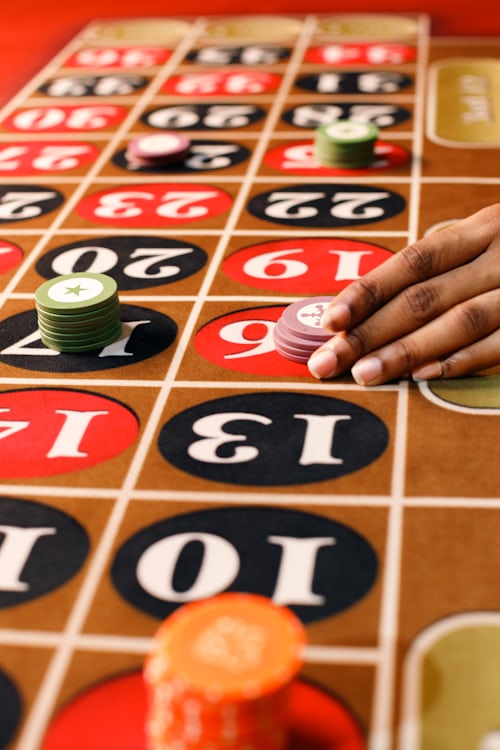
This mathematical principle can significantly impact how players approach their bets. Understanding the house edge empowers players to make more strategic decisions. Those who realize that certain games offer better odds can shift their money towards options that maximize their chances of winning.
Risk Management in Gambling
Managing risk in gambling scenarios involves balancing the potential for reward against the likelihood of loss. Players must assess their financial situations and establish limits to prevent significant losses. Utilizing probability to gauge risks enables players to adopt a more disciplined approach to gambling.
Exploring More About Gambling and Probability
If you’re interested in delving deeper into gambling and the intricacies of probability, several resources exist to enhance your understanding. Websites dedicated to gaming often provide analytical tools and guides to help players navigate their chosen games more effectively. For example, the bc plinko not only offers entertainment but also engages participants with elements of chance and strategy.
In conclusion, mastering the concepts of probability and risk management can make a notable difference in the experience of a gambler. By becoming acquainted with how odds work, players can elevate their chances of success while enjoying the thrill that gambling offers.
АНАЛИ
Vol. 69, бр. 3 (2021)

CRIMEN
Vol. XII Број 1 (2021)

НОВИ АРХИВ
Год. 1 Бр. 1 (2021)

ACTA DIURNA
Број 68-69 Август 2020/Април 2021


